Your Ultimate Winter Driving Checklist
Jessica Bird | Friday 28th November 2025 9:00am
Winter in the UK brings freezing mornings, darker evenings, icy roads and unpredictable weather, all of which can put extra strain on your car. And while drivers may assume their vehicle will handle the cold just fine, winter is actually one of the most common times for breakdowns and faults.
From worn tyres to weak batteries, small issues can quickly become big problems when temperatures drop. That’s why completing a winter car check before the coldest months arrive is one of the simplest ways to stay safe and comfortable on the road this winter.
Here’s your complete winter car checklist, to help you prepare for the season ahead.
Tips for driving during winter
For a safe and stress-free journey, start with the following simple tips:
- Plan ahead. Give yourself ample time for the trip, to accommodate any potential delays.
- Use your SatNav or maps app. Apps like Google Maps can help you plan your route, and give you live traffic and roadworks updates. You can even share your ETA with your loved ones!
- Pack smart for emergencies. Pack a phone charger, ice scraper, blankets, jump leads, snacks, a breakdown triangle, and warm clothes, in case you experience a breakdown or severe delays.
Winter weather can change quickly, so keep an eye on conditions and adjust your driving as needed. Staying vigilant and prepared will help ensure that you and your passengers arrive safely, no matter the winter road challenges ahead.
Winter car checks you can do yourself
Getting your vehicle ready to take on winter doesn’t need to be difficult. Here are some basic car maintenance tips that can help your car survive the season.
1. Check your oil
Checking your oil is particularly important before embarking on a long journey. You should check your dipstick regularly, to ensure your engine is properly lubricated - and to prevent damage to the components.
To read your oil level, make sure you park on an even surface, then open up the bonnet. Check your vehicle handbook for instructions specific to your car’s make and model but, in most cases, the dipstick should be recognisable from the yellow handle.
Pull it out, wipe it down with a clean rag, and reinsert all the way into its housing. Pull it out again and take the reading. Your dipstick should have two marks indicating the minimum and maximum oil levels. If your oil is below the bottom marker, you need to add oil to the engine. Make sure you use the correct type of oil for your car.
If you’re not confident with checking and topping up your oil at home, why not book in for an Engine Oil and Filter Change?
2. Coolant levels
Whilst you’re thinking about oil, why not also check your coolant levels, too? These help regulate the temperature of your engine, providing protection during the winter months from extremely cold temperatures. If the engine fluids were to freeze, it could cause serious (and costly) problems to your vehicle, like:
- Cracked hoses
- Radiator damage
- Engine damage
Most vehicles use a 50/50 mix of antifreeze and water, but always check your manual. Be sure to check your level before leaving to keep your engine temperature regulated, and avoid any nasty surprises on the road.
3. Tyres
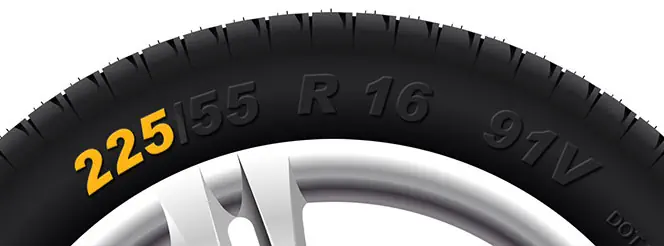
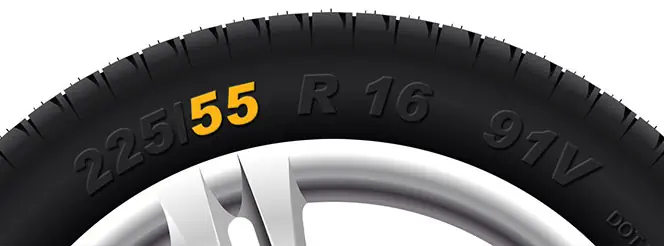
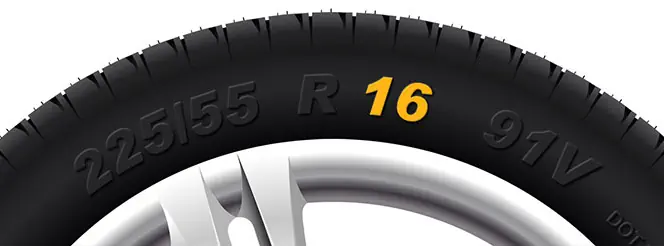
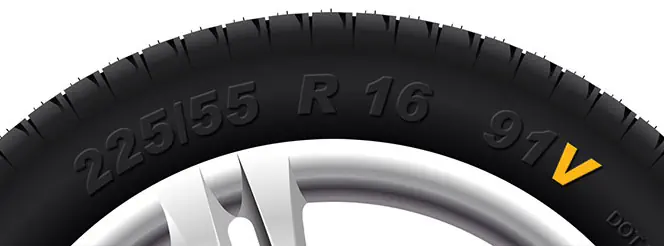
The weather on winter days tends to fluctuate. This variation in temperature causes the rubber in tyres to expand and contract, which, in turn, can lead to the rubber splitting, or changes in tyre pressure. For this reason, it’s crucial to check your tyres every few weeks.
There are more than a few good reasons why tyres play an even more important role in winter, as colder temperatures and wet or icy surfaces place extra demands on grip and stability.
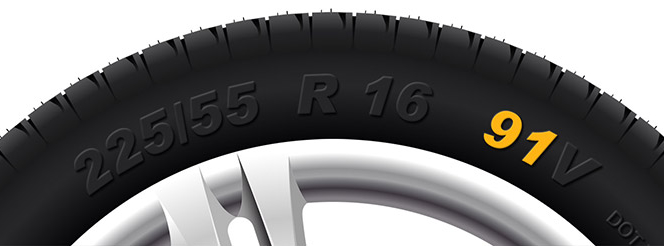
Even though the legal minimum tread depth is 1.6mm, the recommended depth for safe winter driving is 3mm on all tyres. The more tread you have, the shorter your stopping distance will be on cold, wet, or icy roads. The deeper tread on winter tyres also disperses water more effectively, giving you more grip and control.
If you do a lot of winter driving, consider fitting all-season or winter tyres for added grip and control.
4. Lights
It gets darker earlier, and at a rapid pace, during winter, and visibility is often poor. Your lights are vital not just for seeing the road, but for ensuring others see you.
It’s a good habit to check all of the following each winter to make sure they’re in working order:
- Headlights
- Brake lights
- Tail lights
- Indicators
- Fog lights
- Number plate light
Don’t forget to clean them regularly prior to any trip. Dirt can easily build up on your headlights, hindering your vision of the road and potential hazards.
If any aren’t working, replace any broken bulbs immediately, and consider carrying a spare set in your boot. Driving with faulty lights is unsafe, and can result in a fine. It’s also an instant MOT fail, and could result in other road users not being able to see you clearly in wintry conditions. If in doubt, we can check your bulbs for you during a free safety check.
5. Battery
If your car battery is more than 5 years old, have it checked regularly to ensure it carries on working effectively. Cold weather can also slow the chemical reactions in your battery by about 35%, reducing its ability to deliver power.
There are a few common signs that your battery is struggling in winter:
- Slow or hesitant engine starts
- The engine stalls soon after starting
- Electrical features (radio, lights, windows) seem weaker
- A dashboard battery warning light
There are many reasons why batteries fail more in winter, including:
- Low temperatures reduce electrolyte performance
- Older batteries can freeze in extreme cold
- Cold engines require more power to turn over
- Cars may sit unused for longer periods
Battery failure is the number one cause of breakdowns in winter, so if you’re unsure about your battery’s health, your local Kwik Fit can test it for you and replace it if needed. Battery replacements are quick, simple and more affordable than many drivers expect.
Checks the garage can do
Unfortunately, it’s impossible to check all the core components of your car at home to assess how prepared it is for winter. But you can take it to a garage for specific checks, or an overall service. These may include:
Brakes: even more important when roads are icy
Stopping distances can increase by up to ten times in snow or ice. Pair that with worn or unresponsive brakes, and you have a serious safety risk - and a potential danger on the road.
There’s a few simple signs to be aware of that may mean your breaks need checking:
- The car pulls to one side while braking
- Brakes feel spongy or soft
- You hear grinding, squeaking or scraping
- The brake pedal vibrates under your foot
If you notice any of these symptoms, avoid driving at high speeds and book a free brake inspection. Reliable braking is essential for safe driving in winter.
Air conditioning: not just for summer
It’s a good idea to refill your air conditioning in time for winter. Yes, you heard us right!
Switching on your air conditioning may seem like a strange thing to suggest during the winter, but the dry warm air produced by your car air conditioning system is the most effective way to demist your windscreen, ensuring maximum visibility when you need it most. Also, regular use of your air conditioning in the winter ensures the system remains charged and still works effectively the following summer.
If you think your air conditioning needs a more in depth check, book in for a free air conditioning check.
Winter essentials to keep in your car
Preparing for winter driving isn't just about checking your vehicle; it’s also about being ready for unexpected situations on the road. Keeping a few key essentials in your car can make a big difference if you encounter bad weather, traffic delays, or even a breakdown.
When you’re out and about on the roads this winter, it’s important to be prepared. By keeping these items in your car, you’ll be ready for whatever the weather throws at you. Here’s some of the key items we recommend packing in your car for driving in winter:
De-icer and an ice scraper
There’s no denying that de-icer and an ice scraper are two winter driving essentials. In the UK, it’s a legal requirement to ensure your front and rear windscreens are clear before driving. While some cars have heated windows, many do not. If your vehicle doesn’t have this feature, it’s important that you spend some time clearing any ice or snow from your windows before you set off on a journey.
Whether you use a spray or aerosol can, de-icer can help speed up this process, while an ice-scraper allows you to manually remove any stubborn ice or snow from your vehicle.
Jump leads
The battery in your car could fail at any time, so to make sure that you’re not caught out this winter by keeping a set of jump leads in your car. These cables provide you with a quick and easy way to recharge your car battery if it’s flat.
In order for them to work properly, you will need to have access to a car with a fully charged, working battery with the same voltage as yours. Check out our guide on how to jump start a car.
An in-car mobile phone charger
Running out of phone battery is never good - especially if you get lost or break down. In situations like these, it’s more than likely that you’ll need your mobile to call for assistance or find your bearings. So, to make sure you don’t run out of juice in your hour of need, you might want to keep an in-car mobile phone charger in your vehicle at all times.
Reflective warning signs
In many European countries, reflective warning signs are a legal requirement. Usually, these accessories come in the form of a small, brightly coloured triangle that is used to alert other motorists that your vehicle has broken down, helping to avoid potential collisions.
Ideally, you should keep two in your car, so in the event that you break down, you can position one at the front of your vehicle and one at the back. These signs should be positioned at least 45 metres away from the car, and it’s important to note that you shouldn’t use them on motorways as it’s not safe to do so.
A torch
On a dark winter’s evening, the thought of pulling over at the side of the road can be frightening. So that you can see what you’re doing, make sure you have a torch to hand. Don’t forget to keep extra batteries in your car too - or go for a wind-up version, so that you’re never without light.
Warm clothing and blankets
If you break down on your travels, it’s likely you’ll have to stand outside your vehicle while you wait for assistance. So that you’re as comfortable as possible, it’s important that you have some warm clothing to wear, such as a thick coat, scarf, gloves, and a hat. You could also keep some blankets in your car to ensure you and your passengers stay warm despite the dropping temperatures.
Suitable footwear
You should always drive in sensible, comfortable footwear. However, it’s also a good idea to keep a separate pair of shoes with good grip (such as boots) in your car during the winter months. When it’s wet, icy, and snowy outside, the ground can be extremely slippery underfoot. To reduce your chances of taking a tumble this chilly season, make sure you pack a pair of suitable shoes for when you get out of the car.
A shovel
If you live in an area that’s particularly prone to snow, it might be a good idea to keep a shovel in your car. In these conditions, it can be easy for your wheels to get stuck, so a shovel can help you move the snow away from your car. If you can’t fit a regular shovel in your boot, you could go for a foldable design.
Food and drinks
Breaking down at the roadside isn’t ideal, but it can be made even worse if you end up being stranded with an empty stomach. To keep your hunger pangs at bay, it pays to make sure your car is stocked with food and drinks. Go for snacks that are non-perishable, such as cereal bars and crisps, and don’t forget to pack a few bottles of water too.
If you’re planning a long journey, you could think ahead and take a flask of tea, coffee or soup with you to keep you well fed and watered.
A sat nav or road map
Winter weather conditions can make driving tricky, so it’s important that your attention is on the road in front of you at all times. However, if you’re embarking on a long drive somewhere new or unfamiliar this chilly season, there’s no doubt you’ll want to make sure that you’re going the right way - meaning it can be easy to become distracted by road signs.
To help you get to your destination, you could use a sat nav, but be sure that you’re not doing so illegally. Alternatively, consider keeping maps in your glovebox, or ensure you have a reliable map app downloaded onto your phone.
A pair of sunglasses
When it’s lying low, the sun’s glare can make it difficult to see the road in front of you. To avoid being dazzled by its beams, make sure you keep a pair of sunglasses in the car.
Winter driving hazards
Winter brings several risks that aren’t as common in warmer months. Understanding them can help you stay alert, and make safer decisions.
Black ice
One of the most dangerous winter hazards, black ice is a thin layer of ice that blends into the road surface, making it almost impossible to see. It’s most common:
- Early morning or late evening
- On bridges and overpasses
- In shaded or rural areas
If you hit black ice, avoid braking harshly. Ease off the accelerator and steer gently.
Aquaplaning
Heavy rain and standing water can lift your tyres off the road surface. Having good tyres can help to prevent this from happening, and is another reason why tread depth matters.
Fog and reduced visibility
Use dipped headlights and fog lights when needed, but remember to turn fog lights off when visibility improves. Learn more about driving in fog.
Long stopping distances
Drive slower than usual, keep bigger gaps between you and the car ahead, and avoid sudden braking.
Get your car winter-ready with Kwik Fit
If you’re unsure whether your car is prepared for the colder months, your local Kwik Fit team is here to help. Whether you need tyres, a brake inspection, a battery test, a service, or simply some reassurance before winter sets in, our technicians can make sure your car is safe, reliable and ready for every journey.
Stay safe this winter, and remember to give yourself plenty of time to prepare before the cold weather arrives.


Any facts, figures and prices shown in our blog articles are correct at time of publication.
Featured Articles
Is it Illegal to Drive With One Headlight?
Saturday 19th July 2025

Wondering if it’s illegal to drive with one headlight? Learn about the safety risks and penalties of illegal blown bulbs and why you should fix them promptly.
Air Con in EVs & Hybrids: Experts Answer Your Questions
Monday 30th June 2025

Does air con drain EV batteries? Can you use the air con while charging an electric car? Find out the answers to these questions & more from Kwik Fit’s experts.
Why Is Your Car Making a Noise? Fixes & Tips
Friday 13th June 2025

When your car starts making unexpected noises, it can certainly be quite disconcerting; it may be nothing to worry about, but here’s what you need to know.