The Importance of Regular ADAS Calibration
| Monday 9th September 2024 8:00am
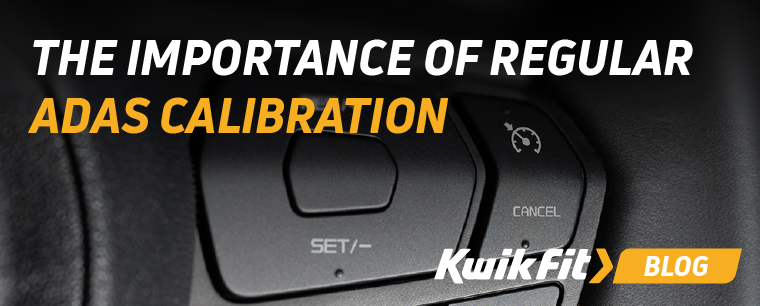
Advanced Driver-Assistance System, also known as ADAS, is a collection of electronic systems, essentially in-built safety tech, that assist drivers with a number of functions, including braking and parking.
Essentially in-built safety tech, they’re designed to reduce the number of hazards and accidents caused by human error. More and more vehicles now have ADAS features included, making them a great and practical development for keeping drivers alert on the road.
But, as with all car components, ADAS requires servicing to ensure it’s working effectively and optimally. This is known as ADAS calibration.
So, why is it important for our ADAS to receive regular calibration? Read on to find out.
Why is regular calibration important?
Your vehicle’s ADAS is a combination of individual sensors and software systems that are partnered with steering, suspension, braking, and powertrain systems to keep your vehicle safe on the road. These sensors and systems need regular calibration so they can accurately and effectively scan and detect potential hazards.
Performance
Calibrating your ADAS regularly guarantees that the sensors and cameras are positioned correctly and working at their best - helping them provide timely data.
Accuracy & fault prevention
Without regular calibration, your ADAS sensors are more likely to provide incorrect information, issue false alerts or warnings, or fail to alert you to a hazard, which can compromise your safety.
Legal implications
Some insurers specify that your ADAS must be calibrated after you’ve had an accident for safety purposes, and failing to do so could result in your premium going up, rejected claims, or even legal issues.
Safety
Most importantly, regular ADAS calibration is essential to ensure your car’s systems (like ‘AEB’, autonomous emergency braking, or lane assist) are working correctly to keep you safe on the road, reducing the risk of accidents and fatalities.
ADAS features
There are hundreds of different ADAS features, but some of the most common ones include cruise control, AEB, and lane assist or ‘lane departure warning’:
Adaptive cruise control
Adaptive cruise control works similarly to traditional cruise control, in that drivers can set a speed. However, the system uses radar, or sometimes cameras, to detect obstacles, and can automatically decelerate your vehicle when you're approaching another car.
Autonomous emergency braking
Autonomous emergency braking will use sensors, often the same ones as adaptive cruise control, to warn drivers of approaching hazards. If you don’t react to the dashboard warning lights or alarm by pressing the brake, the system will operate an all-out braking force.
Lane departure warning
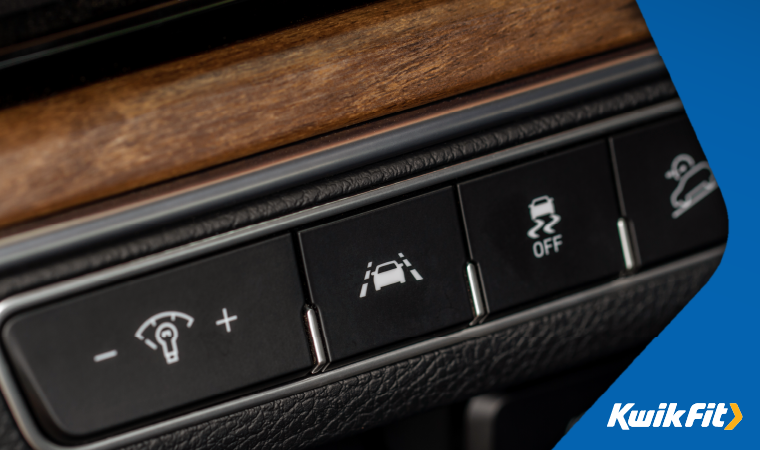
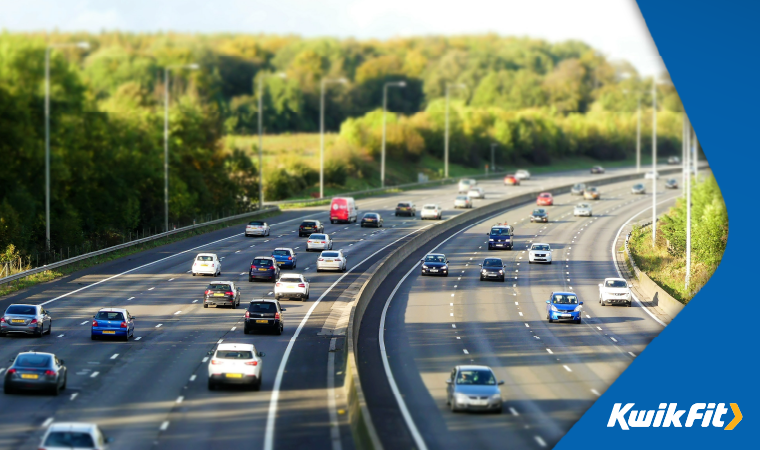
If you own a new vehicle, you may have noticed a warning, such as a pulse through the steering wheel or a noise alert, to let you know if your vehicle is steering out of the lane. This feature is particularly important when drivers are undertaking long drives on dual carriageways and motorways.
Are there different types of ADAS calibration?
Yes, there are two types of ADAS calibration - static and dynamic. The type of calibration your vehicle needs will depend on its make and model, and the ADAS technology installed.
If in doubt, check your vehicle handbook or reach out to a professional for support.
Static ADAS calibration
- A static calibration uses specialist equipment to adjust the ADAS cameras and sensors whilst the vehicle is stationary. Professionals will check the wheel alignment and make adjustments if necessary, as well as calibrate the vehicle’s sensors.
Dynamic ADAS calibration
- A dynamic calibration is the very opposite of static - the ADAS cameras and sensors are adjusted while the vehicle is in motion, i.e. during a road test. The process normally takes between 15 and 30 minutes.
What happens if ADAS is not calibrated?
If ADAS is not calibrated properly, regularly, or after an accident or routine procedure like wheel alignment, certain features can fail or provide incorrect information, increasing the likelihood of an accident.
ADAS features can malfunction
For one, the ADAS features will likely stop working if they’re not calibrated or are calibrated incorrectly. This could lead to your vehicle failing to pick up or detect potential hazards or problems, increasing the risk of accidents.
Your vehicle may stop working altogether
Additionally, you may find your vehicle doesn’t start at all if the ADAS features aren’t calibrated and working properly, as your vehicle may require certain features to work (such as AEB or steering) in order to start moving.
Safety can be comprised
Finally, if your vehicle’s ADAS features haven’t been calibrated correctly, you run the risk of these features failing to function effectively while you're driving, which may cause your vehicle to initiate manoeuvres that are not necessary and unsafe.
How often should your ADAS be calibrated?
Your ADAS should be calibrated every time your car’s sensors and cameras are disturbed, either by a routine procedure, an accident, or as a result of a cracked windshield. But if you’re unsure whether your ADAS needs calibrating, just give the Kwik Fit team a call.
ADAS calibration after vehicle repairs & procedures
These advanced systems use hardware such as radar, ultrasonic sensors, cameras, or, in some cases, a combination of all three, which require calibration after certain work or repairs have been performed.
Do I need ADAS calibration after wheel alignment?
Yes, ADAS is sometimes needed after wheel alignment. Other examples of repair work that will require ADAS calibration include:
- Suspension work
- Headlamp alignment
- Windscreen replacement
It is also vital that, whenever ADAS is calibrated, four-wheel alignment must also be checked and corrected. If the wheels aren’t aligned correctly, then the vehicle will not be travelling where the electronics think it should be, which could cause a fault light, or the system to fail to operate when needed.
Get your ADAS calibrated at Kwik Fit
Hopefully, you now have a good understanding of why your vehicle’s ADAS needs calibrating regularly, and the potential safety implications if it’s done incorrectly.
If you’re unsure of what you need to do to keep your vehicle’s in-built safety tech up to date, or whether your vehicle requires this service, get in touch with your local Kwik Fit centre for advice.
Find out which of our centres can carry out a static or dynamic calibration by exploring our map here. And, in the meantime, check out our Kwik Fit blog for all the latest motoring news and trends.


Any facts, figures and prices shown in our blog articles are correct at time of publication.
Featured Articles
Is it Illegal to Drive With One Headlight?
Saturday 19th July 2025

Wondering if it’s illegal to drive with one headlight? Learn about the safety risks and penalties of illegal blown bulbs and why you should fix them promptly.
Air Con in EVs & Hybrids: Experts Answer Your Questions
Monday 30th June 2025

Does air con drain EV batteries? Can you use the air con while charging an electric car? Find out the answers to these questions & more from Kwik Fit’s experts.
Why Is Your Car Making a Noise? Fixes & Tips
Friday 13th June 2025

When your car starts making unexpected noises, it can certainly be quite disconcerting; it may be nothing to worry about, but here’s what you need to know.